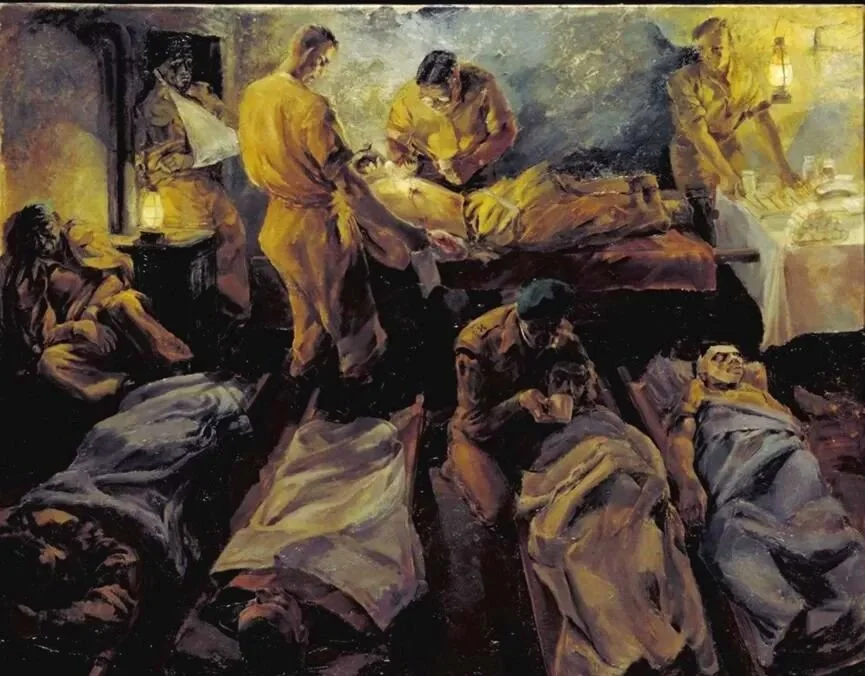
Scene in a Regimental Aid Post: In a filthy cellar at Sallenelles, France, after an action 1944, by Leslie Cole.
The Castle on the Hill
Said to be one of the most haunted castles in Britain, where WWII soldiers appear, forever trapped in their underground defence tunnels, where a woman in red passes through the centuries-old walls of the keep, and where a headless drummer boy wanders the grounds, perhaps looking for his lost head that was fabled to be severed during the Napoleonic wars. Dover Castle’s plethora of ghosts is a testament to its long history, having withstood the test of time and war.
Perched high on a hill above the Strait of Dover, the castle’s strategic location has defended the area for centuries. Once an Iron Age hillfort, it was then a Roman lookout positioned to watch over the fleet in the harbour below. The castle’s current foundations, laid by William the Conqueror, were built upon by Henry II, who began major works here in 1180. Henry transformed the hilltop site into one of the most advanced castles in Europe. The centuries that followed brought many a siege and war to the castle, the French siege of 1216, the English civil war, the Napoleonic wars, and both world wars, but the castle stood its ground. By the 17th century, Dover Castle was largely used to house prisoners of war from Spain and France until its revival in the Georgian era, when its defences were bolstered to guard against hostile enemies from across the Channel. And in the early 20th century, the castle once again proved invaluable when Dover became a crucial hub for England’s land, sea and air operations during both world wars.
It was in the Second World War that the secret wartime tunnels were of prime importance, making use of the network of underground tunnels that wound their way through the white cliffs from the times of the Napoleonic Wars. The tunnels became a military headquarters during WWII, and were even equipped to serve as a Regional Seat of Government in the 1960s in the event of nuclear war. Within these tunnels also lie the dimly lit operating theatres and narrow wards of the dressing station manned by the Royal Army Medical Corps, whose job it was to triage and stabilise the casualties from the bombardment of Dover before they were transferred inland. Staffed by surgeons, nurses, orderlies and cooks, the workforce lived in the cramped, dark corridors within the cliffs. Though the tunnels closed as an operational base in the 1950s, you can still walk the underground complexes, experiencing what life was like in these dark, damp tunnels in the cliffs, and if you're lucky, you may even spot a glimpse of the ghostly soldiers as they pass through the walls, forever fighting their war.
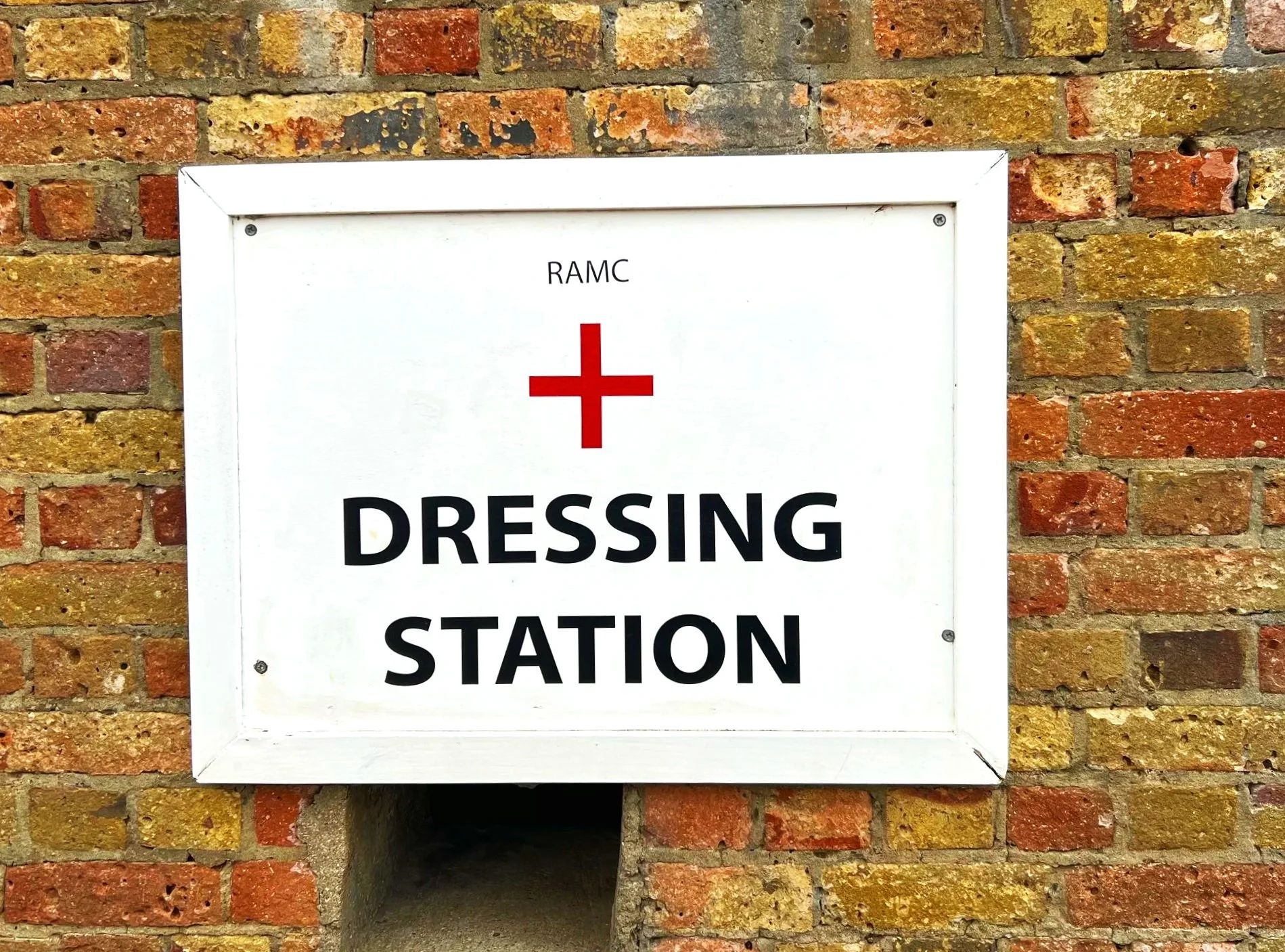
The Underground Hospital at Dover Castle
Medicine in the Time of War
The World Wars of the 20th century not only reshaped borders and empires around the globe but also helped shape the modern healthcare practices in use today. From triage to ambulances, to huge leaps in the fields of medicine and surgery, psychiatry and rehabilitation, the wars saw dramatic changes brought into practice quickly in the hopes of saving both the soldiers and civilians affected by the devastating consequences of war.
By the time World War II came about, emergency medicine had become organised and systematised, with casualties being managed at the front lines and triaged to speciality hospitals once patients were stabilised in the field. And along with the use of motorised ambulances to transport the casualties, patients were being treated quickly, saving countless lives in the process.
The field of Surgery was of utmost importance during war, where trauma was one of the leading causes of death. With advances in anaesthesia as well as vascular medicine, surgeries were becoming more successful. Helped along by the use of widespread antiseptics and the establishment of the world's first military blood bank in 1938; The British Army Blood Transfusion Service.
And in medicine, a pivotal moment that changed history forever took place in 1928, when Alexander Fleming noticed that mould contaminating a petri dish had halted the growth of bacteria, and hence, penicillin was born. However, it wasn’t in mainstream use until the war years when governments invested in its mass production. By 1944, Allied forces finally had sufficient supplies to treat battlefield casualties, leading to mortality rates from infection plummeting.
War also forced recognition of psychological trauma. What had been labelled “shell shock” in the First World War became more understood during the Second. Psychiatrists were increasingly deployed to treat soldiers suffering from what was then called battle exhaustion, or post-traumatic stress disorder, as it is known today.
And away from the front lines, rehabilitation saw many advances. Surgeons refined techniques in plastic and reconstructive surgery, particularly for burns and facial injuries, and improvements in prosthesis, as well as physiotherapy interventions, took form, helping the soldiers return to normal functioning in the years that followed.
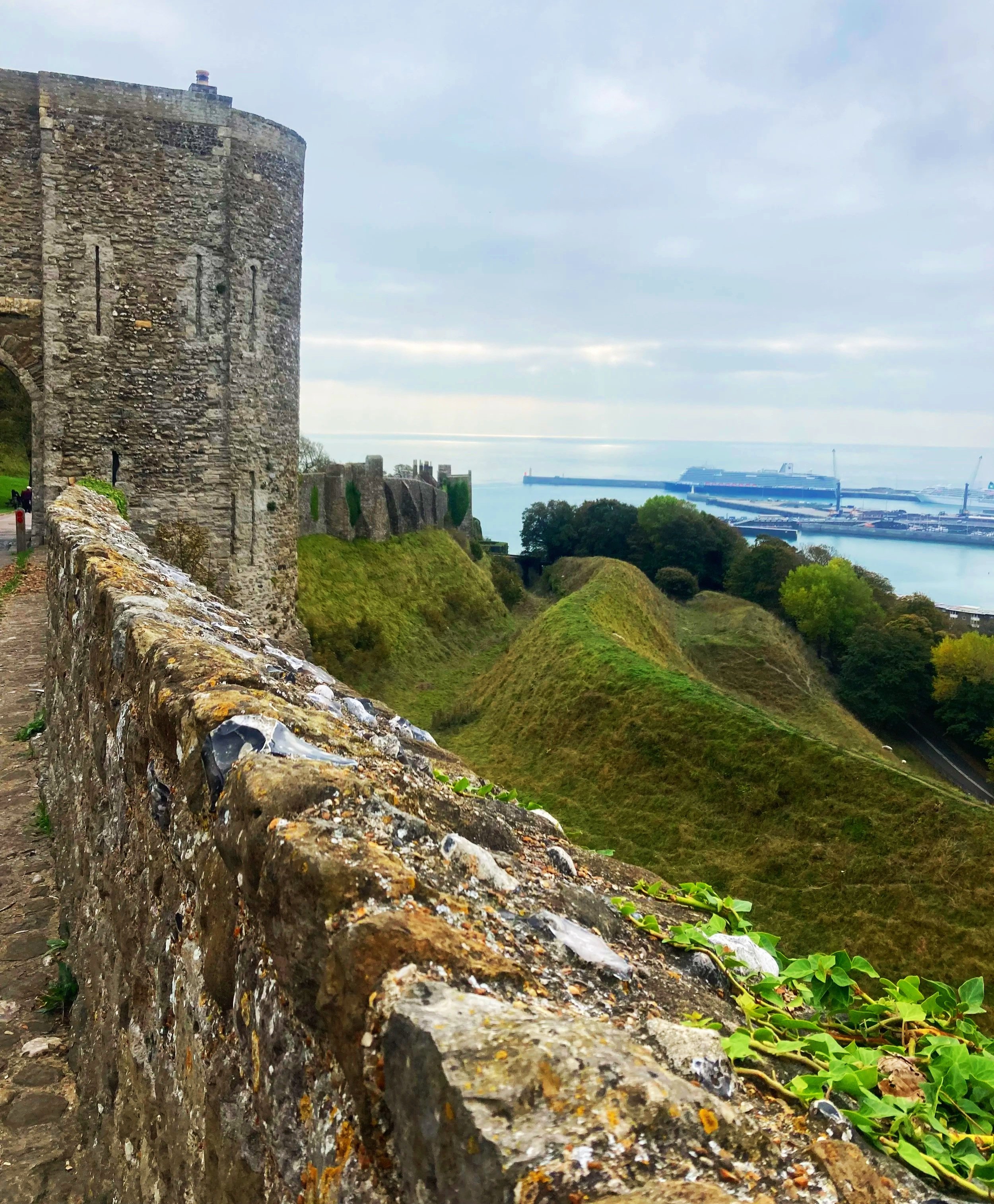
Dover Castle Grounds
Top Tips
Address: Castle Hill, Dover, Kent, CT16 1HU
Hours: 10-4pm on weekends during the winter season (daily during school holidays), and 10-5pm during the spring and summer seasons when it is open daily.
Getting there: Driving is the easiest option with parking included in the entrance fee; however, if you don't have a car, the castle can be reached on foot from Dover (about a mile uphill walk), or alternatively, bus 81 will take you there from the town centre and station.
Price: On the Day tickets: Adult £30.00, Child (5-17 years)£19.00, Family £79.00. Tickets are cheaper if booked online in advance, or free for English Heritage members (worth it if seeing multiple sites such as Stone Henge within the year).
Things to do at Dover Castle: Entry includes everything on site, such as entry to the keep as well as the wartime tunnels and underground hospital, the latter two of which can only be seen via the regular guided tours that depart throughout the day from in front of the tunnels. There is also a playground and various other points of interest around the site, as well as cafes and restrooms. Just be warned, the stairs in the actual castle are incredibly steep and twisty! Dogs are allowed on a lead, just not inside the tunnels or the castle building.
You can visit for the day, or stay overnight if you dare! There is a one-bedroom 13th-century tower room available on a nightly basis. And after hours, the grounds are yours alone to explore, just stay clear of the headless drummer boy!
If you still have energy to burn after exploring the castle grounds, the nearby White Cliffs of Dover walking trail is exceptionally lovely if the weather is nice. You can hike to the lighthouse while watching the ferries coming and going from France, which is visible on a clear day.