Þingvellir National Park, Iceland
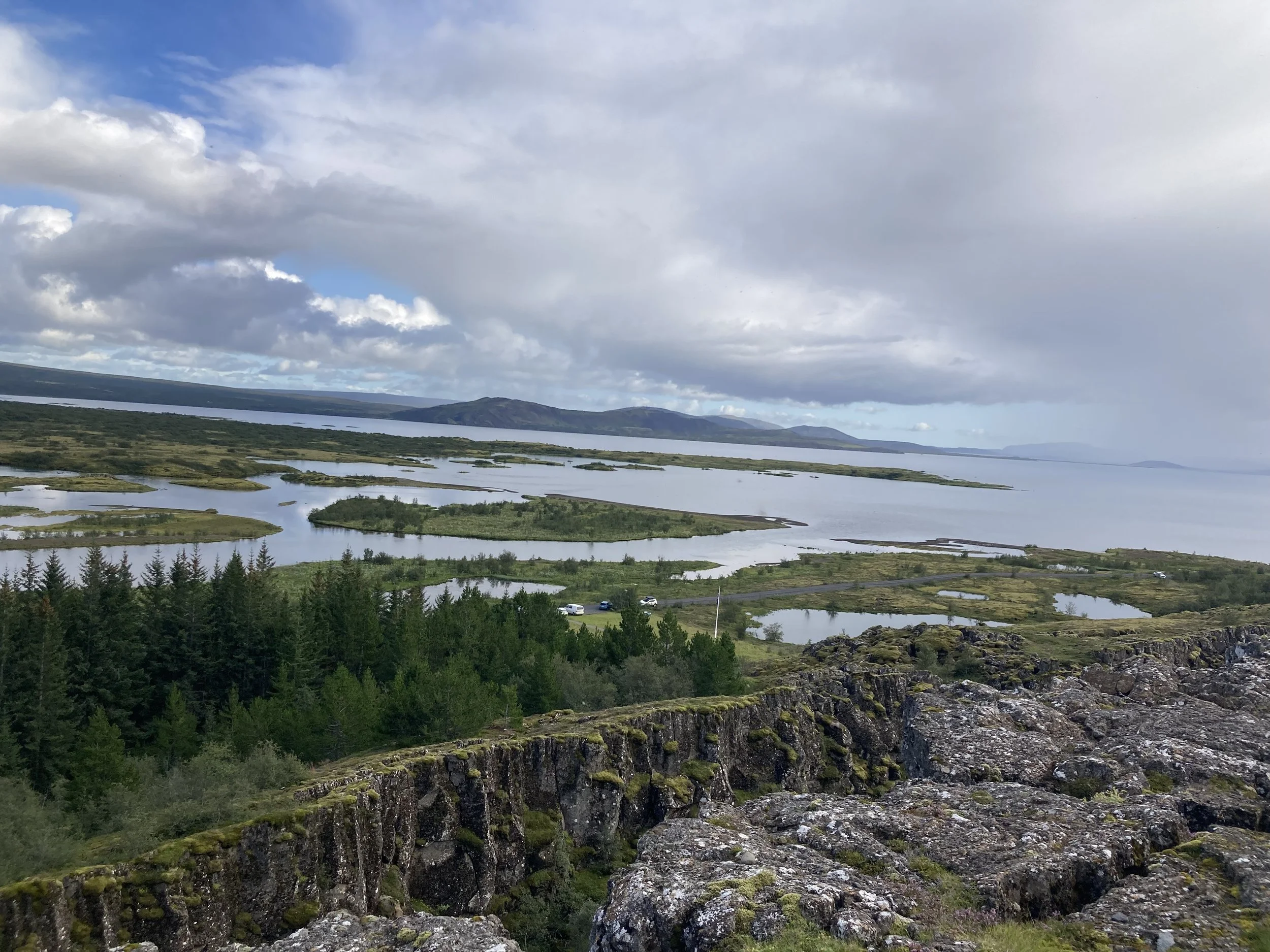
Þingvellir National Park, Iceland
The Drowning Pool of Iceland
Þingvellir National Park is more than a scenic stop on the Golden Circle route. The park is geologically significant as it lies directly on the Mid-Atlantic Rift, the meeting point of the American and Eurasian tectonic plates, which gives the park its breathtaking cliffs, fissures, and waterfalls visible today. It is also historically significant as it represents the political and symbolic birthplace of Iceland, where the world’s oldest surviving parliament, the Alþingi, was founded in the year 930. Translating to ‘The Assembly Plains’, this area was the site where the chieftains from far and wide across the island gathered for two weeks each summer. Passing laws, settling disputes, finding love, and maintaining social ties in an otherwise quite isolated society.
But the park also carries a darker history. Þingvellir is where the accused would be punished for their crimes. Punishment often consisted of hanging for theft, beheading for murder, and burning for witchcraft. Women, however, were given a special execution at the place known as Drekkingarhylur, or the Drowning Pool. At least 18 women were executed at this site for crimes such as adultery, incest, or infanticide. Sewn into sacks and forced into the cold pool, they were held under the water with a pole until all movement ceased. Thankfully, the last execution of this type took place in 1749, and today Iceland remembers those who lost their lives cruelly at the site with a plaque naming it as the Drowning Pool forevermore.
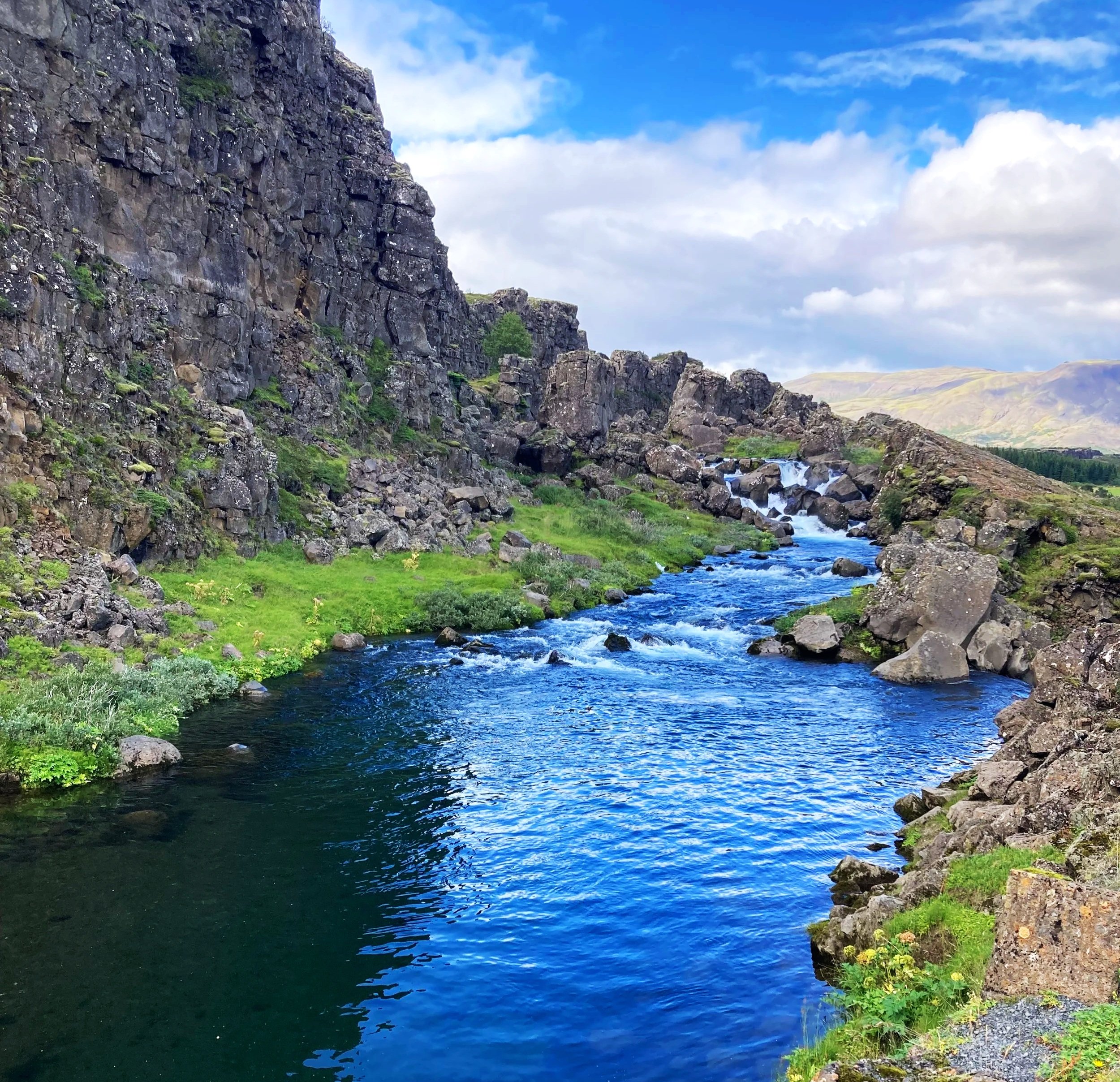
The Drowning Pool, Þingvellir National Park
The Witches of Iceland
Icelandic witchcraft is deeply tied to the dramatic landscape in which it thrived. The long winter nights lit up by the aurora, volcanoes spewing lava from above, and rivers of boiling water from below, it’s no surprise the locals believed so strongly in magic, both to explain the world they lived in, and to offer protection from its harsh environment. Since the times of the Vikings, Icelandic people, both men and women, practiced a form of everyday magic. Calling on old gods and nature spirits to help heal the sick, protect livestock, calm storms, and carry on living in the unforgiving terrain.
When Iceland converted to Christianity around 1000 AD, these traditions didn't just disappear; they merged together, giving a blend of pagan and Christian traditions as seen in the grimoires, Icelandic books of spells and magical symbols that combined Viking runes and Latin prayers, old gods and new. The Icelandic magical stave, called a galdrastafur, was made up of runes drawn into unique designs that represented specific spells. These staves were made for particular purposes such as protection, love, luck, and even finding thieves. The grimoire book of spells also offered instructions for many practical remedies, mostly involving Icelandic moss, which was the standard cure for everything from coughs to stomach trouble.
There was, of course, a darker side to Icelandic witchcraft. If one wanted to steal the neighbour's milk from their cows, then one could craft a tilberi from a human rib and create their very own undead milk thief. Or did one need to conjure up an endless supply of silver coins? Just put on a pair of leggings fashioned from human skin, and watch your necropants fill up with coins before your eyes!
When the witch hunts swept through Europe in the 17th century, Iceland was not immune. However, unlike some other European countries, Iceland saw very few executions carried out for witchcraft. Only 21 were executed from the 120 accused, nearly all of them men, as it was thought they were the ones who were more likely to practice dark magic, donning their necropants while drinking stolen cows' milk.
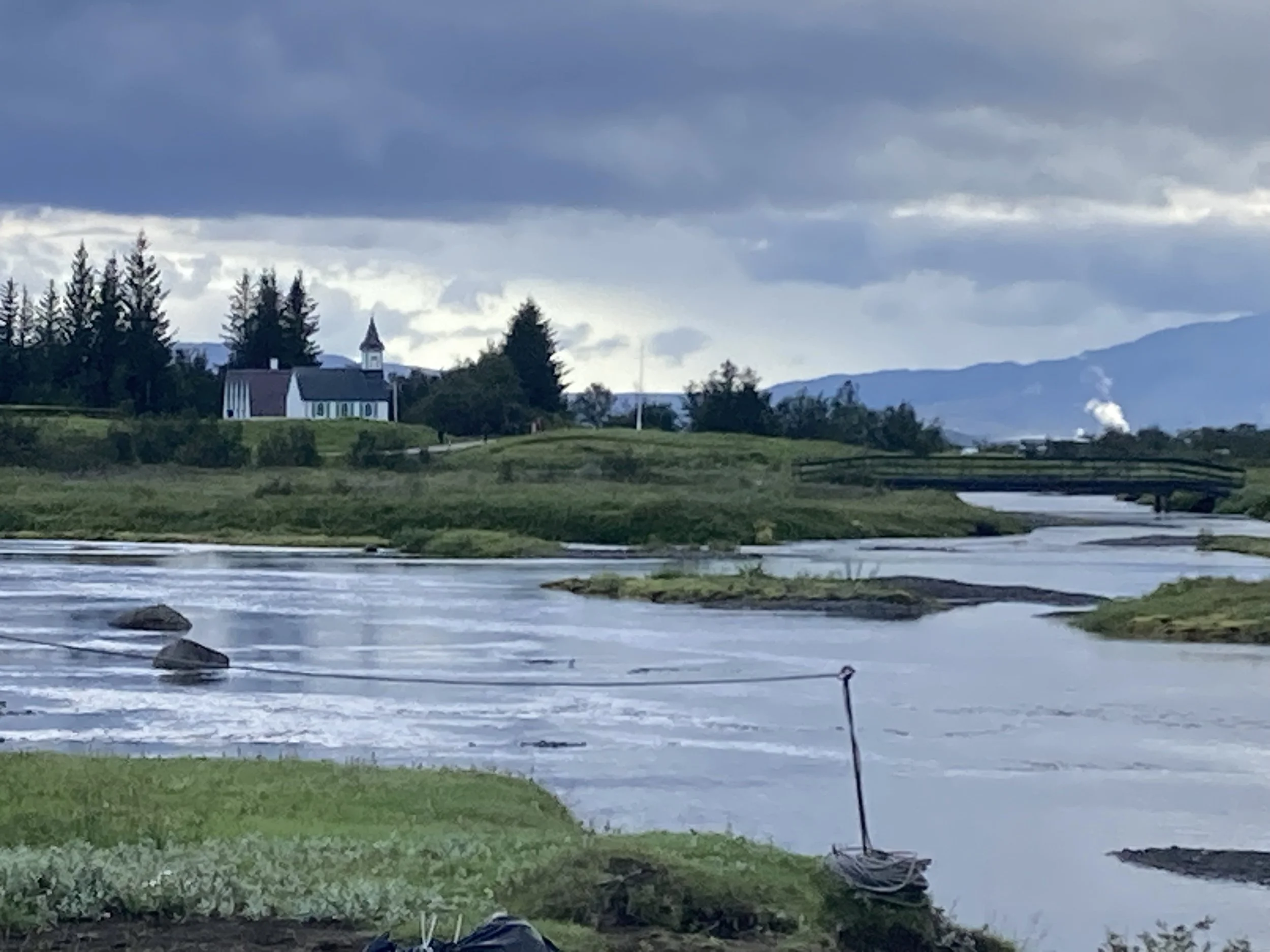
Þingvellir National Park, Iceland
Top Tips
Getting there: Thingvellir National Park is one of the stops on the Golden Circle route from Reykjavik and is included in the majority of day tours leaving the capital, which also stop at the Geysir geothermal area and Gullfoss waterfall, so expect to see plenty of tour buses. If you opt for a rental car, the drive is relatively easy and takes just under an hour from the capital. The whole Golden Circle route takes about 6–8 hours to complete, or, if self-driving, can be done over a few days with some hot springs added in. Notably, tours often start in Reykjavik and head to Thingvellir first, so if self-driving, try to start in reverse to avoid peak crowds.
Entrance Fees: Entrance to the park is free, including the visitor centre and facilities, but parking is not. Parking can be paid for either at the machine or via the parking app ‘Check-It’. Parking is free further afield in P3–P5, but this requires a longer walk to the park.
Inside the Park: You can spend an hour to a full day at the park, depending on what you want to do. The main sites can all be reached on a circular path and take about an hour in total, which includes a walk between the tectonic plates in Almannagjá Gorge, and seeing the Oxararfoss Waterfall. Other points of interest along the route are the Thingvellir Church and small cemetery, the Drowning Pool, and the Law Rock, which is the site of the historic parliament. If you have more time on your hands, other activities such as horseback riding, fishing, and even snorkelling between the tectonic plates are available for a fee.